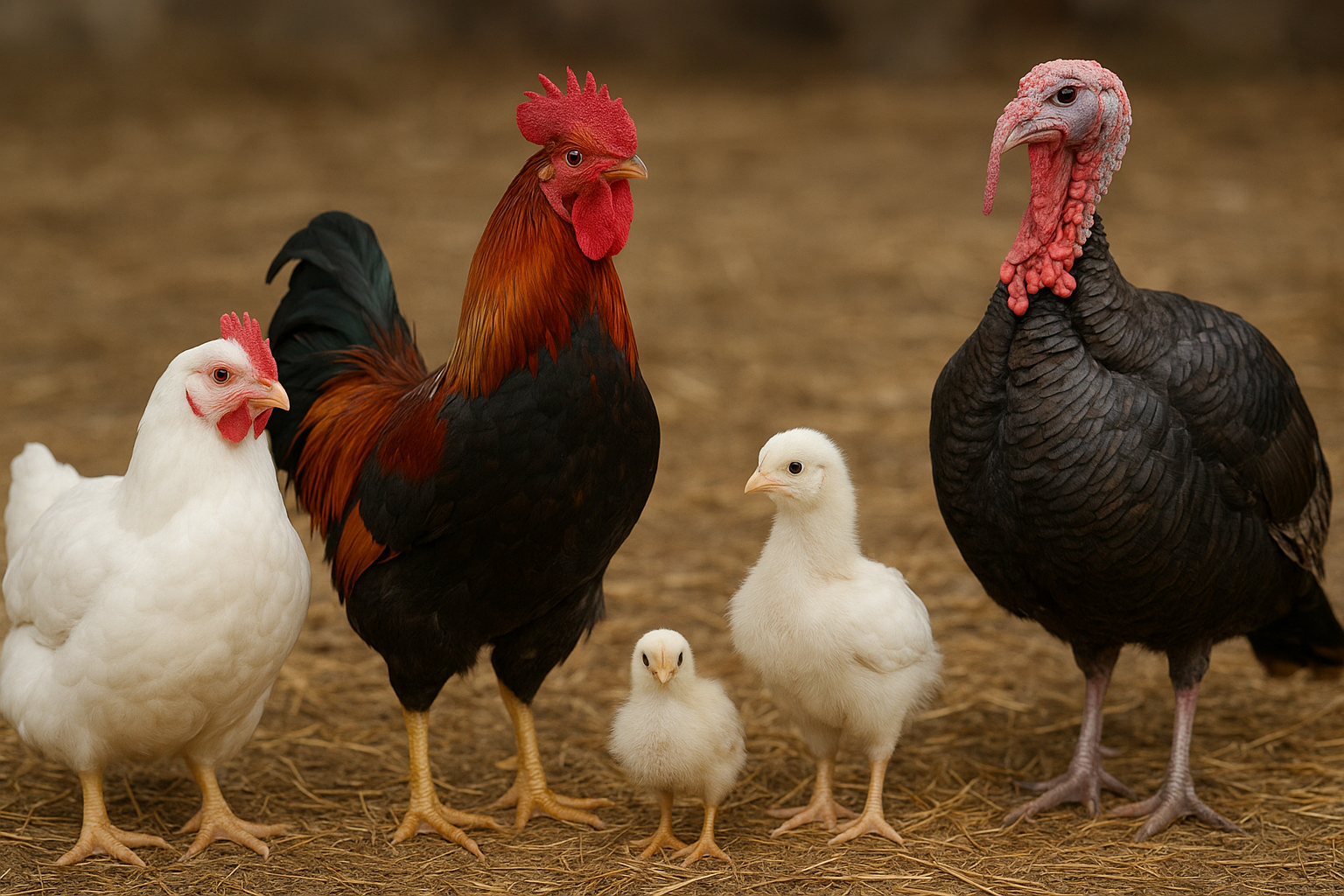
Bird Types & Selection
Understanding different bird types is crucial for your success. Each type has its own advantages, growth patterns, and market demands. Learn how to select the right birds for your goals, space, and budget to maximise your profits.
Type 01 Broilers — The Fast Money Makers
🔊 Voice note: Broiler selection basics
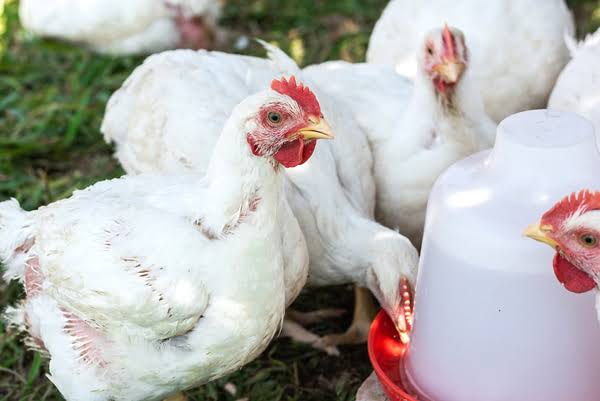
Broilers are the champions of quick profit — birds specifically bred for meat that can reach 4 kg in just 6 weeks when managed properly. Their feed conversion ratio is exceptional.
- Can gain 100 g per day
- Ready for market in 5–7 weeks
- Calm, less active temperament
- Broad breast, meaty thighs
- Quick ROI — 6–7 weeks
- High urban market demand
- Predictable growth patterns
- Good profit margins
- Higher commercial feed cost
- Sensitive to management errors
- Controlled environment needed
- Higher mortality if mismanaged
Type 02 Cockerels — The Hardy Survivors
🔊 Voice note: Cockerel selection basics
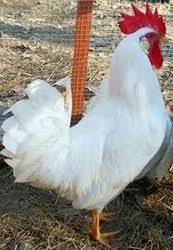
These are the birds we started with. Local or improved local breeds — tough, disease-resistant, and adapted to our climate. They can survive conditions that would kill broilers outright.
- 6–7 months to market weight
- Very hardy & disease resistant
- Can forage for food
- More active, alert birds
- Lower feed cost — eat scraps
- Simpler housing systems
- Strong rural market demand
- Higher ₦/kg in some markets
- Longer investment period
- Less predictable growth
- Can be aggressive
- Lower feed conversion
Type 03 Layers — Steady Income Generators
🔊 Voice note: Layer selection basics
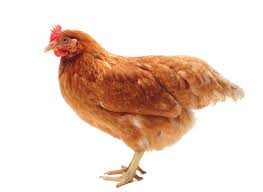
Layers provide steady daily income through egg production. While they take longer to start producing, they can generate consistent income for 12–18 months from a single batch.
- Laying starts at 18–22 weeks
- 250–300 eggs per year
- Productive for 12–18 months
- Smaller, active body
- Daily income from eggs
- Long productive period
- Eggs have longer shelf life
- Can sell birds after lay period
- 5 months before income starts
- High rearing feed cost
- Daily consistent management
- Egg market price fluctuates
Type 04 Noilers — Best of Both Worlds
🔊 Voice note: Noiler selection basics
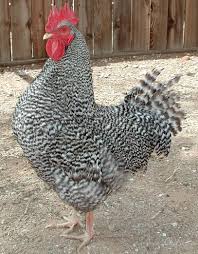
Noilers are a hybrid breed combining the best of broilers and local birds. Dual-purpose, hardy, and increasingly popular with smart farmers looking to reduce risk.
- Meat-ready at 4–5 months
- Laying starts at 22–24 weeks
- Hardy like local breeds
- Better feed conversion than local
- Dual-purpose flexibility
- Adaptable to local conditions
- Can eat diverse feeds
- Lower risk than pure broilers
- Not as fast as broilers
- Not as prolific as layers
- Needs more space
- Less predictable
Type 05 Turkeys — The Premium Market
🔊 Voice note: Turkey selection basics
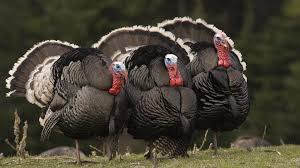
Turkeys are the premium option — larger, slower to grow, but commanding significantly higher market prices especially during festive seasons. For experienced farmers only.
- Mature weight 8–12 kg
- 6–7 months growing period
- Higher feed consumption
- Sensitive to environment
- Very high selling prices
- Less competition from others
- High festive season demand
- Good margins despite costs
- Very long investment period
- Complex management needs
- Higher mortality risk
- Seasonal demand pattern
Guide How to Choose the Right Bird
Choosing the wrong bird type can kill your profits before you even start. Match these four factors to make the right decision:
| Factor | Beginner | Intermediate | Advanced |
|---|---|---|---|
| Experience | Cockerels / Noilers | Broilers | Layers / Turkeys |
| Capital | Low Cockerels | Medium Broilers | Higher Layers / Turkeys |
| Market | Rural → Cockerels / Noilers | Urban → Broilers / Layers | Premium → Turkeys |
| Time | Quick (6–7 wks) → Broilers | Medium (6–7 mo) → Cockerels | Long-term → Layers |
Module 5 Quiz
Answer all 5 questions to complete the course.
Which bird type is recommended for complete beginners in poultry farming?
What is the main advantage of broilers over other bird types?
Why are Noilers considered "the best of both worlds"?
What should be the primary consideration when choosing a bird type?
Which bird type offers the best steady income potential over time?
Questions & Discussion